Concrete steps construction in Midland TX - a solid way up to your front door
Steps cracked, sinking or pulling away from the house? We build new poured or precast steps that sit on a firm base.
- Owner writes the estimate I come out myself to measure and write it up.
- Precast set on a pad We pour a concrete pad first so precast steps sit firm.
- Kept covered after pouring Fresh poured steps stay covered so they don't dry too fast.
- Final walk-through together I walk the finished steps with you before we call it done.
- Licensed and fully insured.
- Free in-person estimates.
- Expect a reply within 1 business day.
How do you know your concrete steps need replacing?
Steps get used every day, so a small crack or a slight lean can turn into a trip hazard and a bigger job. These are the signs we usually see first.
Cracks across the treads
A crack across the step you stand on usually means the base under it settled or was never packed well. Water gets in, and the crack keeps opening.
Steps leaning or sinking
Steps that tip forward or sit low on one side usually settled because nothing firm was under them. They tend to keep moving until they're rebuilt.
Gap between steps and house
A gap between the top step and the porch or door sill means the steps pulled away. Water runs into it, and the gap usually keeps widening.
Chipped or crumbling edges
Broken corners and front edges make it easy to catch a heel on the way down. Patching an edge that gets kicked every day usually doesn't hold for long.
Water sitting on the treads
If puddles stay on the steps after rain or the sprinkler, the treads weren't sloped to shed water. Standing water wears the top and makes every step slick.
Dusty or flaking surface
A top that powders, peels or flakes usually dried too fast when it was poured. It gets rougher every year and starts to break up at the edges.
How we build concrete steps
Concrete steps construction in Midland usually starts with breaking out the old steps and hauling them off. Then we dig out the loose dirt and pack the base, the ground your steps sit on, because a base that's only raked level settles and takes the steps down with it. We set the forms, tie in rebar, the steel that holds the concrete together if it does crack, and pour. Each tread gets a slight slope so water runs off instead of toward your door, plus a broom finish, a light brushed texture that gives your shoes grip when it's wet. After that we keep the fresh concrete covered so it doesn't dry out too fast and leave a weak, dusty top. If you'd rather have precast steps, which are made ahead and set in place, we pour a concrete pad first so they sit firm. The price moves with how many steps you need, whether there's a landing, poured or precast and how much old concrete comes out, and the schedule mostly turns on any permit and the weather on pour day. When a budget gets tight, I'll go simpler on the finish before I'll cut the base, because nobody sees the base on day one but it's what keeps the steps from sinking later. Your written estimate shows what's in the price and what isn't.
Steps usually tie into other work. If you're building new, we can plan the steps alongside your slab foundation building so the top step meets the door where it should, and on an addition we can pour them with the foundation installation instead of coming back for them later.
What happens when you call about concrete steps in Midland?
Here's who does what from your first call to the last walk-through, and where the permit fits in.
Call or send a message
Call or use the form, and I'll come out to the house. I measure, look at the old steps and ask how you use that door.
Get a written estimate
I leave you a written estimate that shows what's included and what isn't, such as tearing out the old steps or a pad for precast.
Permit, forms and the pour
Once you say go, we sort out any permit and start only after it's issued. Our crew lead and finishers set the forms, pour and finish.
Walk the steps together
When the work's done, I walk the finished steps with you and we clean up the site. I'll tell you when they're ready to walk on.
Why Midland homeowners call R&C Midland Concrete Construction
The owner writes your estimate
I come out myself to look at your steps and write the estimate, so you hear what to expect from me.
Running our own crews since 2017
We started in 2017, after I learned finishing on concrete crews, so I know what rushes a finish and what doesn't.
Licensed and fully insured
We're licensed and fully insured, and you can ask to see it before we set a single form at your house.
Permit office checked first
Inside city limits or out in the county, we find out which office handles the permit before scheduling, so paperwork comes first.
Get a written estimate for your new steps
Send the address, how many steps you need and a few photos of the entry, and we'll reply within one business day. Then I come out for a free on-site estimate, with no pressure and no obligation.
Examples of concrete steps
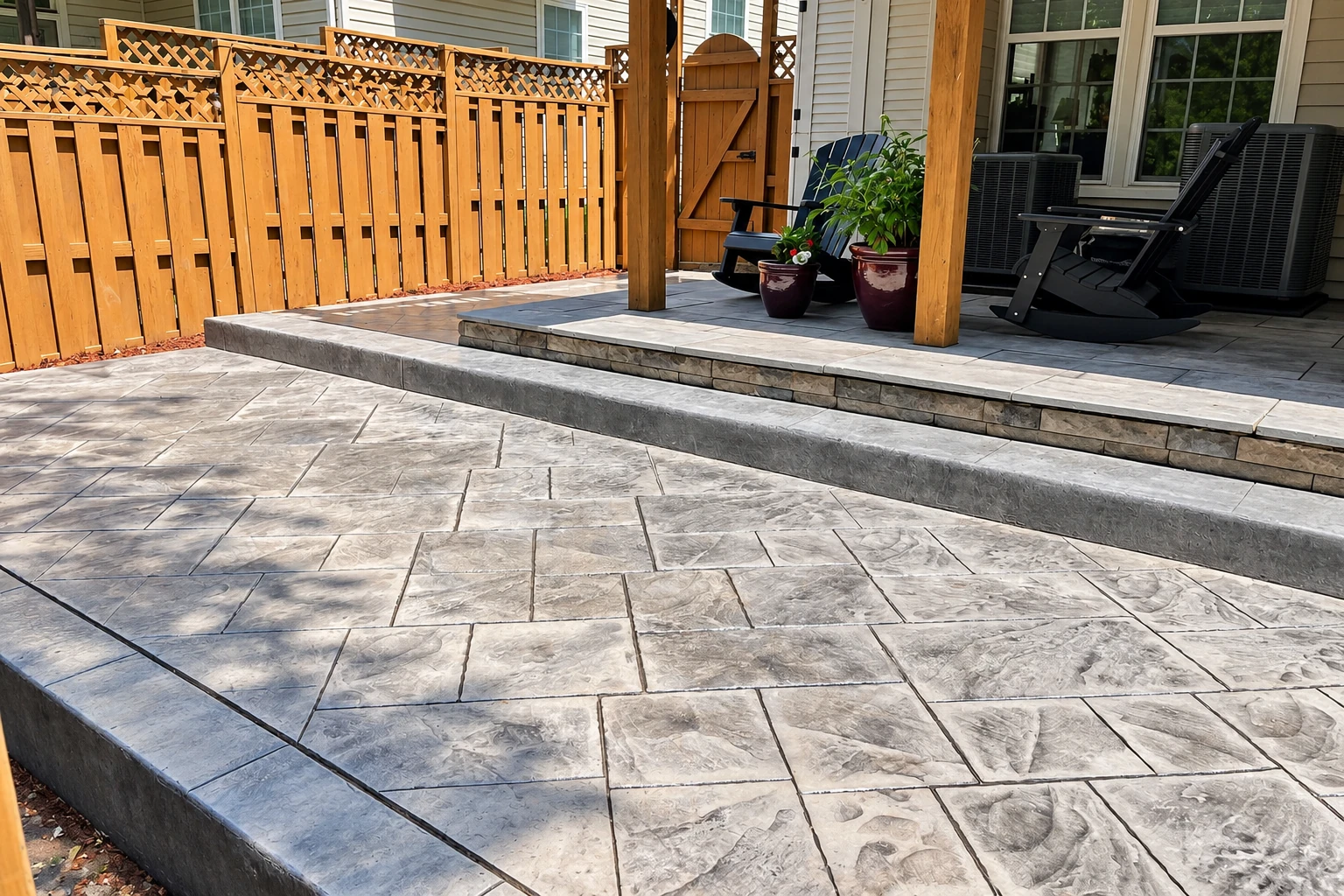
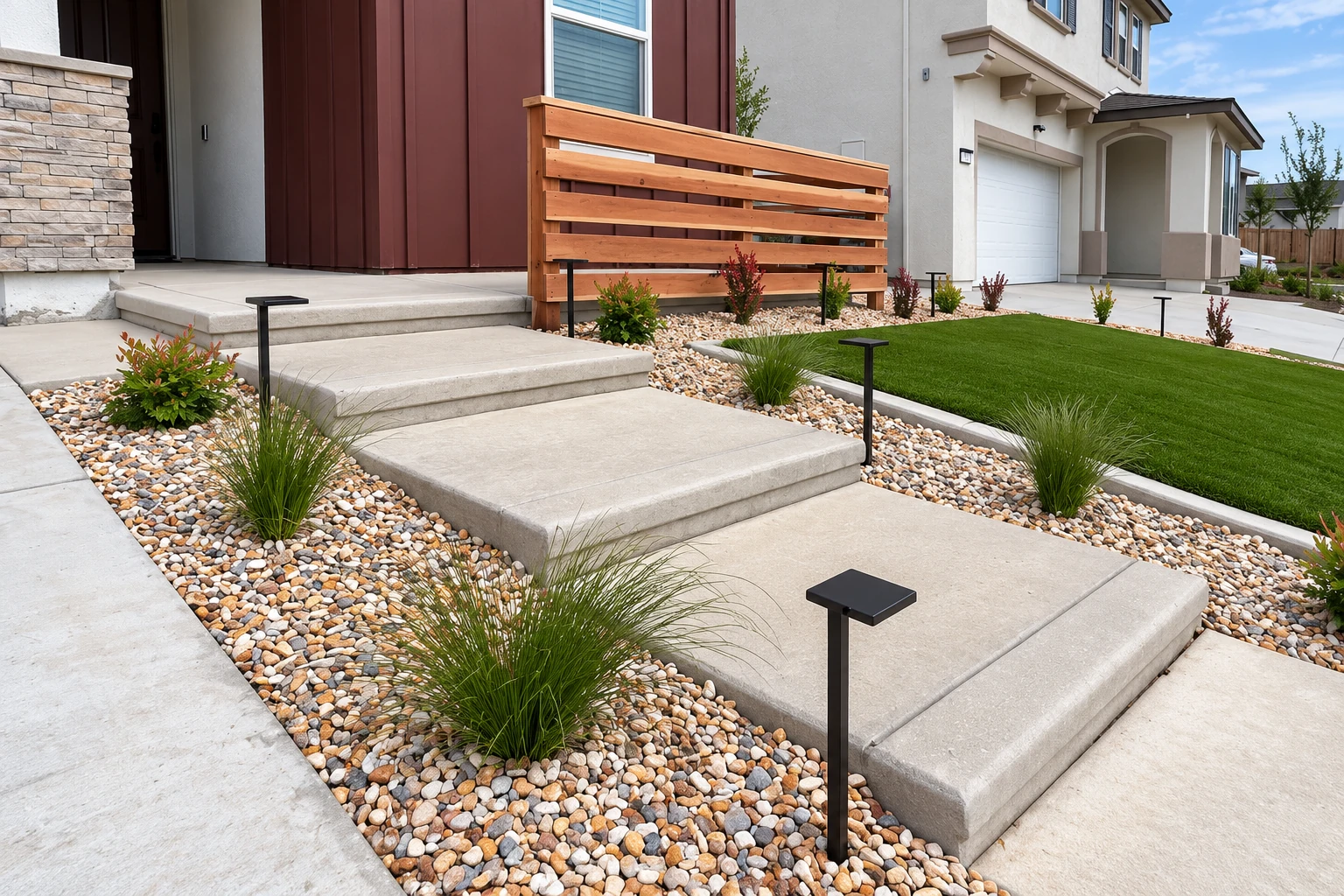
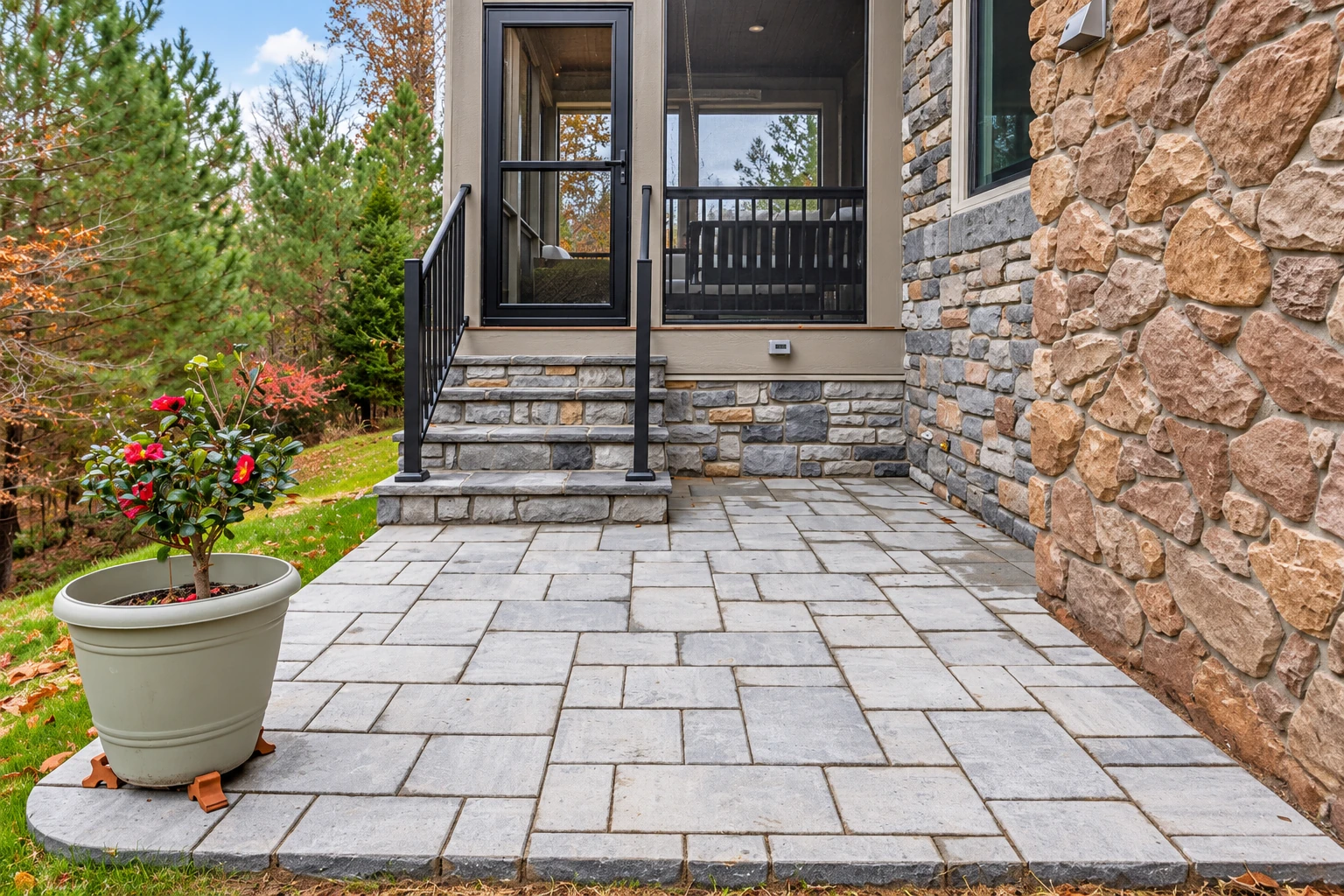
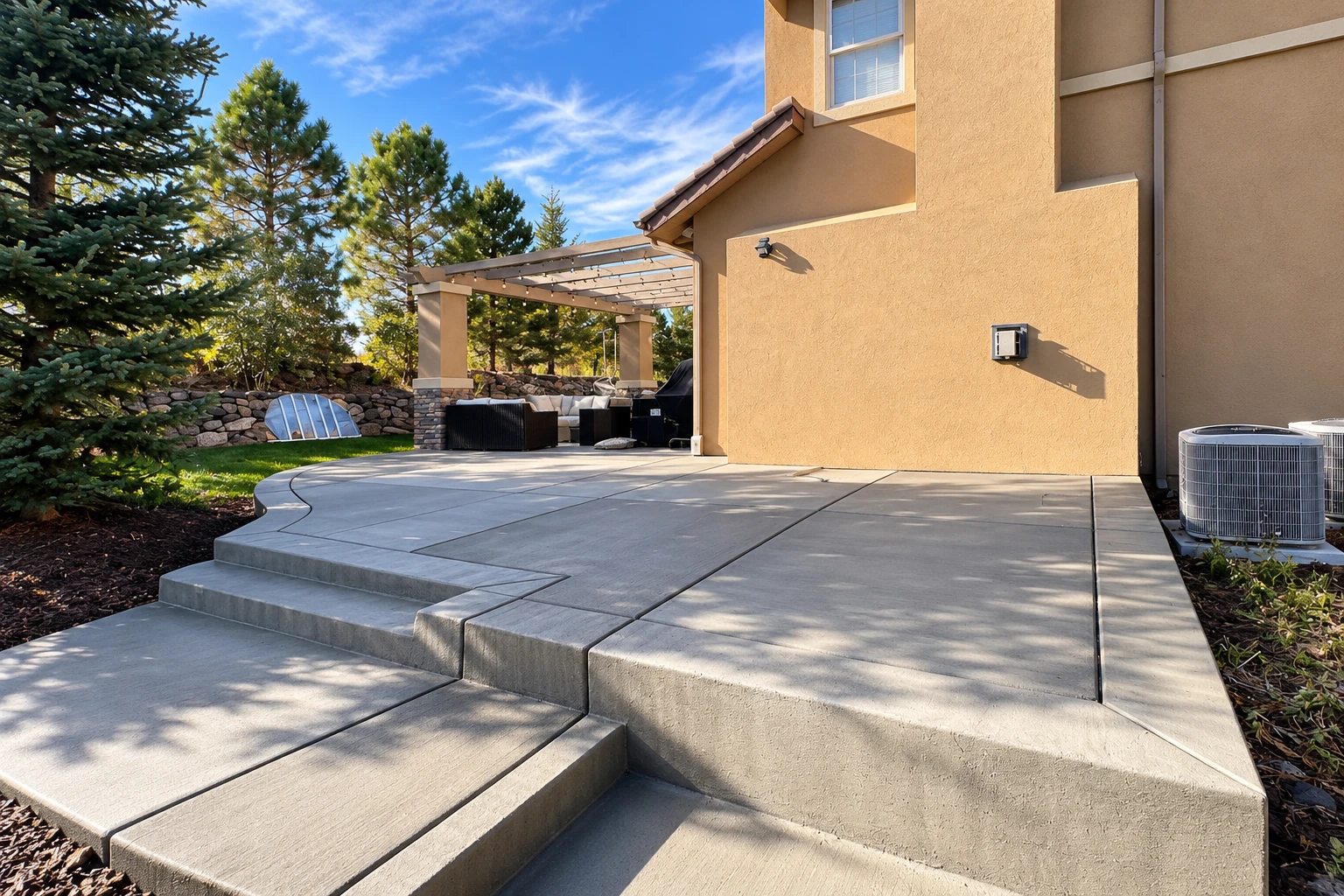
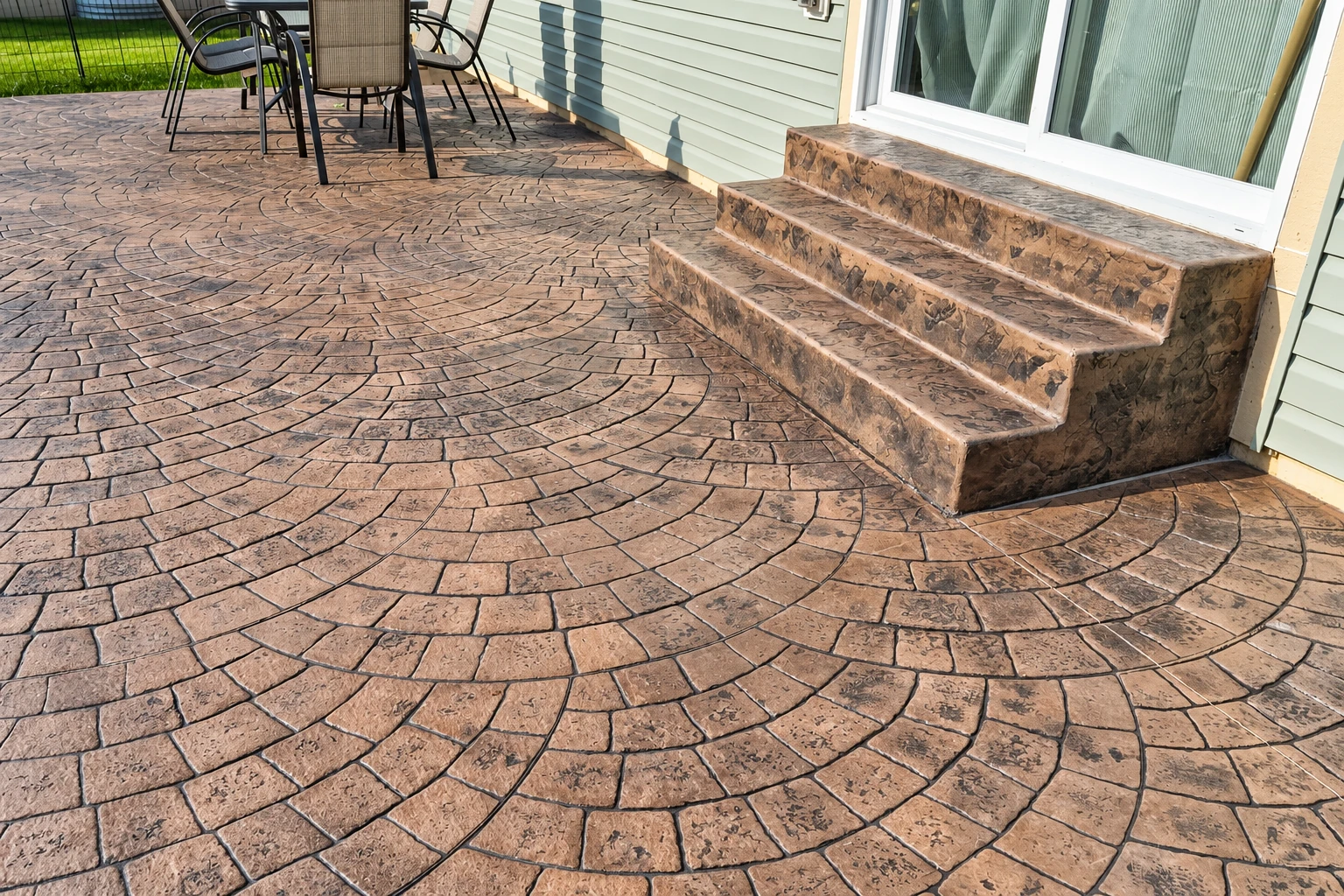
Look through these examples of poured and precast steps to get a feel for finishes, landings and layouts before we talk about yours.
Questions about concrete steps
These are the questions Midland homeowners ask us most about new steps. If yours isn't here, call or send a message and I'll answer it for your house.
How much do concrete steps cost in Midland, TX?
Installed poured concrete steps usually cost about $200 to $500 per step across the US, counting materials and labor. That's a national range, not a Midland quote, so your own price comes from the written estimate I leave after measuring the job.
Should I get poured or precast concrete steps?
Poured steps are formed, placed and finished right at your house, while precast steps are made ahead and set on a concrete pad. For an entry with a landing or an odd shape, I usually lean toward poured because it's built for that spot, and precast can make sense for a simple back door. I'll tell you which fits when I look at the job.
Why do precast concrete steps need a pad under them?
Precast steps are heavy and can sink without something firm under them. One precast step maker's instructions say a unit with more than one step must sit on a concrete pad, and they recommend a pad even for a single step, so plan the pad as part of the job.
What is the best time of day to pour concrete steps?
The best time is when the weather is on your side, which usually means a cooler, calmer part of the day or night. Hot weather guidance for concrete calls for scheduling pours for favorable times and keeping fresh concrete from losing moisture, because in heat it sets faster, is harder to finish and is more likely to crack. Wind and sun dry it out too, so a windy, sunny day needs more care than a calm, humid one at the same temperature.
How do I take care of precast concrete steps?
Put a coat of concrete sealer on them once a year. One precast step maker strongly recommends it to protect the steps against water, ice and stains.
Which Midland office issues permits for concrete steps?
Midland's Code Administration issues residential building permits, and it also registers contractors and verifies their licensing. Its permit list names new construction, additions, remodeling, repairs and detached accessory buildings rather than concrete steps, so ask the office whether your steps need one, and for a new home or an addition the plans have to show stair details, including handrails and guardrails. If you need a permit, we can apply for it or help you through it if you'd rather apply yourself.
Where we build concrete steps
We're based in Midland and also build steps in Odessa, Big Spring, West Odessa and other cities around Midland. Pick your area below or give us a call.
Ready for new concrete steps at your door?
Our work is backed by our satisfaction guarantee, so call (432) 219-6562 or send the form to get started.